Customer expectations have changed dramatically. Today’s customers expect brands to understand their needs, respond instantly, and deliver seamless experiences across every touchpoint. When businesses fail to meet these expectations, customers disengage quickly and move to competitors.
This is where automated experience tools are transforming the way organizations engage with customers. Instead of relying on manual processes and delayed feedback loops, companies can now capture, analyze, and act on customer insights in real time.
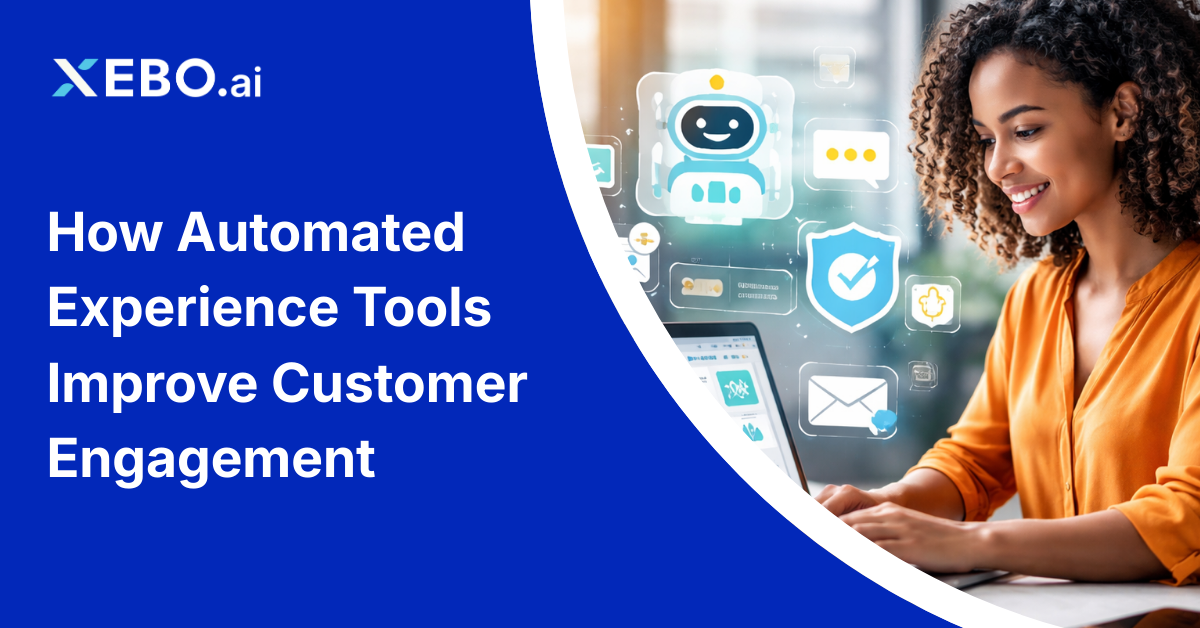
Automated experience platforms allow businesses to continuously monitor customer sentiment, identify friction points, and trigger actions that improve engagement instantly. The result is a more responsive, personalized, and meaningful relationship with customers.
Automated experience tools are platforms designed to collect and analyze feedback across multiple channels, including surveys, social media, support interactions, and digital behavior. Using artificial intelligence and advanced analytics, these tools transform large volumes of customer data into actionable insights.
Rather than waiting for periodic reports, businesses gain continuous visibility into the customer journey. This allows teams to detect dissatisfaction early, recognize positive experiences, and respond quickly to changing customer expectations.
By automating feedback collection and insight generation, organizations can focus less on gathering data and more on improving the experience itself.
One of the biggest advantages of automated experience tools is the ability to generate real-time customer insights. Traditional feedback methods often take weeks to analyze and report, which means companies react too late to customer issues.
Automated systems analyze feedback instantly, identifying patterns and sentiment as soon as data is received. This enables organizations to detect emerging problems, monitor engagement trends, and take immediate corrective action.
For example, if customers begin reporting issues with a specific touchpoint in the digital journey, automated tools can flag the problem and alert relevant teams. Addressing the issue quickly prevents frustration from spreading and protects customer loyalty.
Modern customers expect personalized experiences, but delivering personalization manually across thousands or millions of interactions is nearly impossible.
Automated experience tools like XEBO.ai make personalization scalable by analyzing customer behavior, preferences, and feedback patterns. These insights help organizations tailor communications, offers, and interactions based on what customers truly value.
When businesses understand individual preferences and anticipate needs, engagement naturally increases. Customers feel recognized and appreciated, which strengthens their connection with the brand.
Customer engagement often declines because of small but repeated friction points in the journey. These can include slow response times, confusing digital interfaces, or unresolved support issues.
Automated experience tools map the entire customer journey and identify where engagement drops or dissatisfaction increases. By analyzing feedback and behavioral signals together, organizations gain a deeper understanding of why customers struggle at certain stages.
Once these friction points are identified, teams can redesign processes, improve digital interactions, and ensure smoother experiences that keep customers engaged.
Collecting feedback alone does not improve customer engagement. The real value comes from acting on insights and closing the feedback loop.
Automated experience platforms trigger actions based on customer responses. For example, if a customer reports a negative experience, the system can automatically notify the appropriate team, create a support ticket, or initiate follow-up communication.
This proactive response shows customers that their feedback matters. When customers see their concerns acknowledged and resolved quickly, trust and engagement increase significantly.
Customer engagement is not a one-time initiative. It requires continuous listening and ongoing improvement.
Automated experience tools enable organizations to maintain an always-on feedback ecosystem. Businesses can monitor conversations, capture feedback at every stage of the journey, and measure how changes impact customer sentiment over time.
This continuous listening approach helps organizations stay aligned with evolving customer expectations and maintain stronger relationships with their audience.
As customer journeys become more complex, businesses need intelligent tools that go beyond traditional feedback systems. Automated experience platforms like XEBO.ai empower organizations to capture experience data, analyze insights with AI, and act instantly.
By combining automation, real-time analytics, and journey intelligence, XEBO.ai helps businesses identify engagement opportunities, resolve issues faster, and create experiences that customers truly value.
Companies that adopt automated experience tools gain a deeper understanding of their customers and build more meaningful, long-lasting relationships.
If you want to transform how your organization listens to customers and delivers exceptional experiences, it’s time to explore the power of automated experience intelligence.
Schedule a Free Demo with XEBO.ai today and discover how AI-driven experience automation can help you improve engagement, strengthen loyalty, and drive better business outcomes.