In today's experience-driven economy, organizations are investing heavily in customer experience (CX) initiatives. Yet many businesses continue to make one critical mistake: they confuse customer feedback with customer experience.
While the two concepts are closely connected, they are not interchangeable.
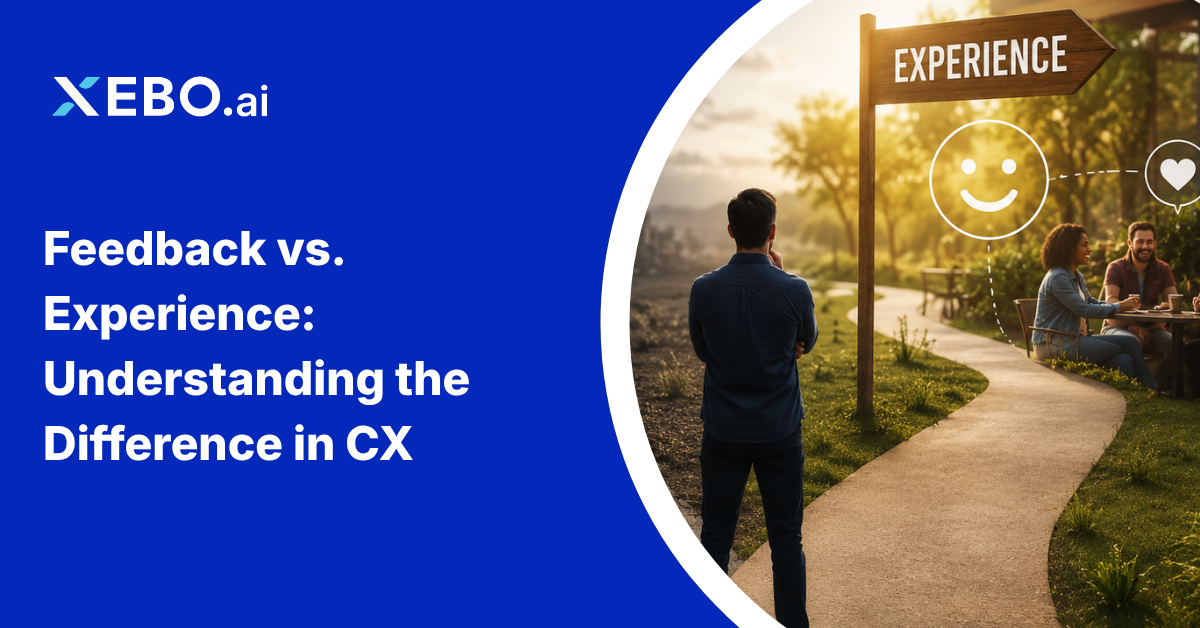
Feedback tells you what customers say. Experience reveals what customers actually go through.
Understanding the difference between feedback and experience is essential for building meaningful customer relationships, improving retention, and creating a competitive advantage.
Businesses have more customer data than ever before. Surveys, reviews, ratings, social media mentions, chat transcripts, and support tickets generate a constant stream of information.
However, collecting feedback alone does not guarantee a great customer experience.
A customer may give a high rating after a support interaction but still struggle with a confusing onboarding process. Another customer may never fill out a survey, yet silently churn because of repeated frustrations.
If organizations focus exclusively on feedback, they risk seeing only part of the picture.
True customer experience management requires understanding every interaction, emotion, and perception customers develop throughout their journey.
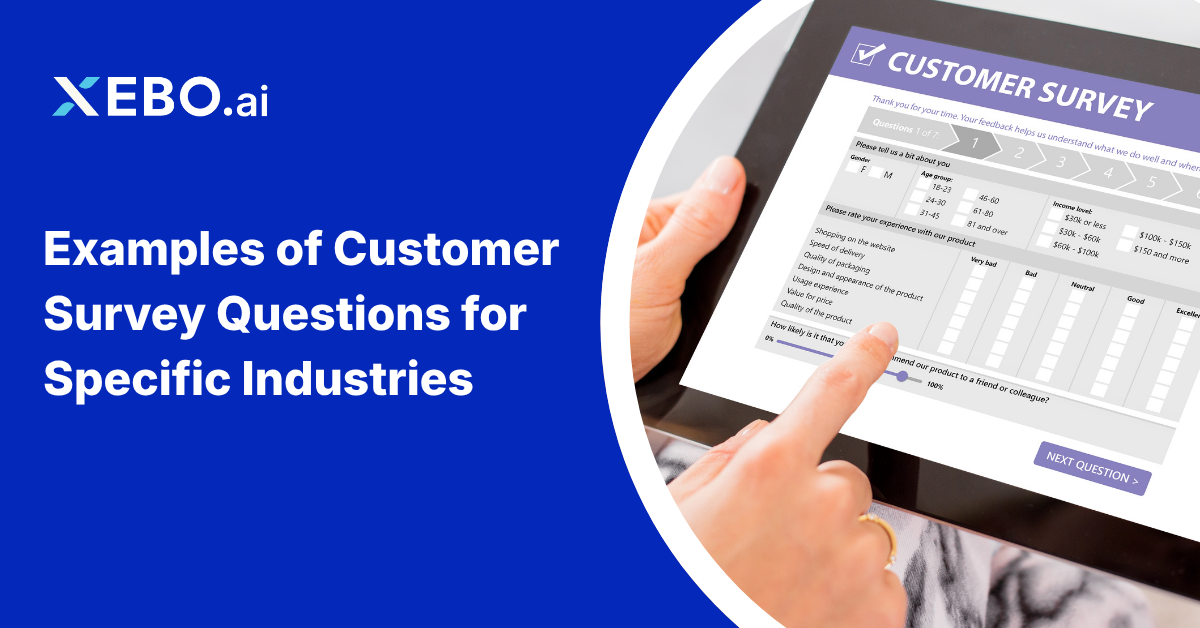
Customer feedback is the information customers voluntarily share about their interactions with a brand, product, or service.
It is typically collected through structured and unstructured channels, including:
Feedback helps businesses understand customer opinions, expectations, preferences, and pain points.
It answers questions such as:
Feedback is valuable because it provides direct customer input. However, it represents only the moments when customers choose to speak up.
And not every customer does.
Customer experience encompasses every interaction a customer has with a brand across the entire lifecycle.
It includes every touchpoint, whether customers actively provide feedback or not.
Customer experience begins before the first purchase and continues long after the transaction.
It includes:
Customer experience is shaped by emotions, expectations, convenience, consistency, and perceived value.
Unlike feedback, experience exists whether customers talk about it or remain silent.
In simple terms:
Feedback is the customer's voice. Experience is the customer's reality.
Feedback is usually collected after a specific event, such as a purchase or support interaction.
Customer experience spans the entire journey, from awareness to advocacy.
Organizations that focus only on post-interaction surveys often miss issues that occur between touchpoints.
Feedback is directly provided by customers.
Experience is inferred from behaviors, interactions, and emotions.
Metrics like website abandonment rates, repeat purchases, session recordings, and journey analytics help uncover experiences customers may never explicitly describe.
Only a small percentage of customers complete surveys or leave reviews.
Customer experience data includes every customer interaction across channels.
This broader perspective reduces bias and uncovers hidden trends.
A low satisfaction score indicates a problem exists.
Journey analytics, behavioral insights, and operational data reveal the underlying causes.
Understanding the complete experience enables organizations to move from symptom detection to root-cause resolution.
Traditional customer feedback programs often struggle with several challenges:
Modern customers interact with brands across multiple channels and devices. Their expectations are shaped by seamless digital experiences and instant service.
Businesses need more than isolated survey responses to understand these complex interactions.
They need continuous, real-time visibility into the entire customer journey.
This is where experience management platforms create significant value.
The most customer-centric companies do not choose between feedback and experience, they integrate both.
They combine direct feedback with operational and behavioral data to create a comprehensive view of the customer journey.
This approach helps organizations:
When feedback and experience data work together, businesses gain both context and clarity.
Instead of asking customers to explain every issue, organizations can proactively detect and resolve problems before they escalate.
Modern customer experience strategies require more than collecting survey responses.
XEBO.ai enables organizations to unify customer feedback, behavioral signals, and journey analytics into a single platform.
By combining Voice of Customer (VoC), journey orchestration, AI-powered analytics, and omnichannel insights, XEBO.ai helps businesses understand not only what customers are saying but also what they are experiencing.
With XEBO.ai, organizations can:
The result is a more complete understanding of customer needs, leading to better decisions and stronger business outcomes.
As customer expectations continue to evolve, organizations must move beyond survey-centric approaches.
Feedback remains important, but it is only one piece of the customer experience puzzle.
The brands that succeed in the future will be those that combine customer voice with behavioral intelligence, journey analytics, and proactive action.
Because customers do not remember survey questions.
They remember experiences.
Ready to move beyond feedback collection and build truly exceptional customer experiences?
Discover how XEBO.ai helps organizations connect feedback with real-time journey insights to drive measurable business impact.
Schedule a free demo today and see how AI-powered experience management can transform every customer interaction into an opportunity for growth.
Customer feedback is the information customers provide about their interactions with a brand, while customer experience refers to the complete perception customers form based on every interaction throughout their journey.
Customer experience provides a holistic view of customer interactions, including behaviors and emotions that customers may never explicitly communicate through feedback channels.
Yes. Customer feedback offers valuable insights into customer expectations and pain points. When combined with journey analytics and behavioral data, it helps organizations improve the overall customer experience.
Examples include survey responses, online reviews, NPS scores, CSAT ratings, social media comments, and support tickets.
Customer experience touchpoints include website visits, product searches, purchases, onboarding, customer support interactions, mobile app usage, renewals, and loyalty programs.
Businesses can measure customer experience by combining traditional metrics like NPS, CSAT, and CES with journey analytics, behavioral data, sentiment analysis, and operational insights.
XEBO.ai helps businesses capture customer feedback, analyze customer journeys, uncover experience gaps, and deliver AI-powered insights that drive continuous improvement across the customer lifecycle.